


Choosing pavers is only part of a hardscape project. Professional paver installation depends on design decisions, site conditions, drainage, the base underneath, and how the units are set and finished. The surface you see is the result of those earlier steps.
Cedar Bridge Landscape Supply in Barnegat supplies the materials used on these projects—Cambridge paving stones, natural stone options, and the bulk aggregates and sand that form the base and bedding layers.
Homeowners and the contractors hire a source from the yard, so the materials match the installation plan.
Why the Full Process Matters
A patio or walkway that looks good on day one can settle, shift, or hold water if the earlier stages are incomplete. Sandy soils common in Ocean County make a stable base especially important. Drainage that moves water away from the house and the surface reduces long-term problems.
Professional installation typically accounts for these factors before any pavers are placed. The material supplier’s role is to provide consistent units and the correct base materials so the installer can execute the plan.
Standards from the Interlocking Concrete Pavement Institute (ICPI) address base preparation and aggregate specifications for interlocking systems.
Design and Material Selection
Design covers layout, pattern, edge details, and how the surface will be used. Interlocking concrete pavers offer consistent thickness and easier individual unit replacement. Natural stones provide more variation. Both are used on professional projects; the choice depends on appearance, traffic, and budget range.
At Cedar Bridge, you can compare Cambridge design kits and slab sizes on the Cambridge pavers and hardscape materials.
For a practical side-by-side view of the two main surface types, see natural stone vs. concrete pavers. Seeing the materials in the yard helps confirm what will work with the intended design.
Base, Bedding, and Drainage
The layers under the pavers distribute weight and manage water. Angular crushed stone is commonly used for the structural base because the pieces lock together when compacted. Concrete sand serves as the bedding layer that lets the units sit while still draining. Proper slope moves surface water away from structures.
These materials are stocked in the yard. Review options on the bulk stone, sand, and base materials page and the product details for concrete sand for paver bedding. The paver base essentials guide covers how these layers perform in local sandy soils.
ICPI standards provide further reference on aggregate sizing and base practices for interlocking pavement.
Edging, Joints, and Finishing
Edge restraint keeps the units from spreading under load. Joint sand—sometimes polymeric—fills the gaps and helps lock the surface. These details are part of a professional finish and affect how the patio or walkway performs over time.
The yard stocks the surface materials and the base aggregates that support this work. Contractors typically handle the layout, compaction, edging, and joint stabilization as part of the installation.
Homeowners’ sourcing materials can confirm with their installer which specific base and joint products are planned before ordering.
Sourcing Materials for a Professional Project
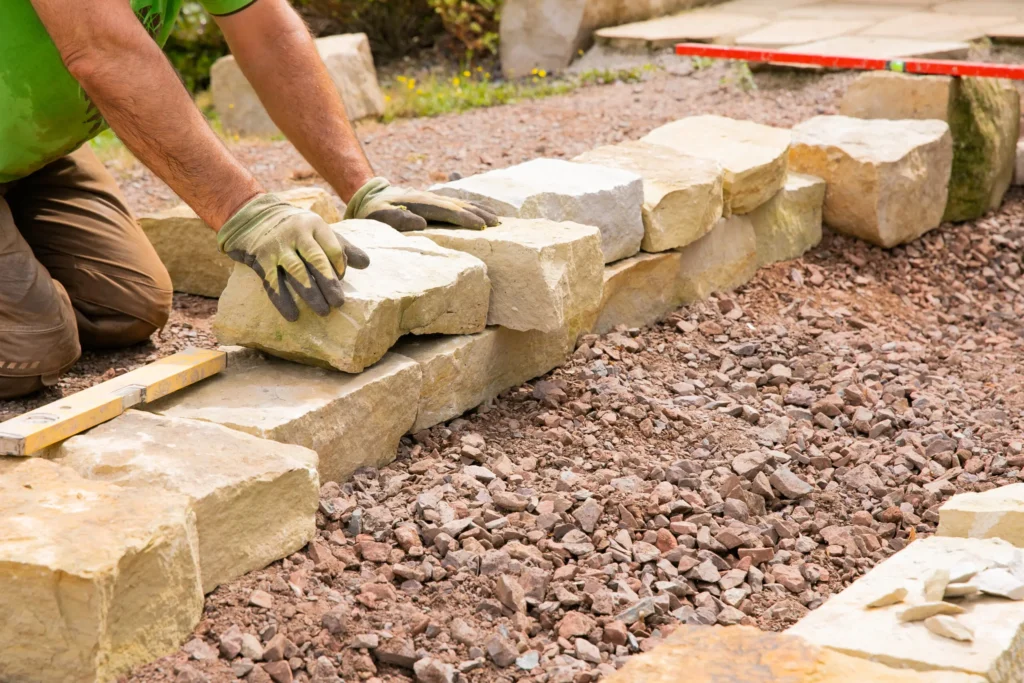
Professional paving material installation is usually performed by a hardscape contractor. The materials themselves—Cambridge pavers, natural stone, crushed stone base, and bedding sand—come from a supply yard.
Matching the materials to the installer’s plan reduces delays and ensures consistency across the job.
Cedar Bridge delivers palletized loads with its own truck and can stage material on the jobsite.
Homeowners can visit the Barnegat yard to see options with their contractor or request a quote, so quantities and delivery timing can be coordinated. The earlier the materials are confirmed, the smoother the installation schedule tends to be.
Next Steps
If you are planning a professionally installed patio or walkway, start by reviewing surface and base options.
Bring your contractor’s material list or a rough project description to the yard so the team can confirm what is stocked and discuss delivery. Seeing the Cambridge units and bulk aggregates in person clarifies the choices before the installation begins.
Stop by our yard at 309 Route 72 in Barnegat, or request a quote for material recommendations and delivery of coordination. See yard location and hours for current details.
Confirm installation specifics with your contractor; the yard supplies the materials that support the work.
Frequently Asked Questions
Does Cedar Bridge install pavers?
No. Cedar Bridge Landscape Supply is a materials yard. It stocks Cambridge pavers, natural stone, and bulk base materials and can deliver them. Professional installation is performed by hardscape contractors who source from the yard.
What materials are needed for a professional paver installation?
Typical projects use interlocking concrete pavers or natural stone for the surface, angular crushed stone for the structural base, and concrete sand for the bedding layer. Edge restraint and joint sand are also part of a finished installation. The exact materials depend on the contractor’s plan and site conditions.
Why does the base matter so much in Ocean County?
Sandy soils and coastal weather make a stable, well-draining base important. A properly prepared crushed stone base and concrete sand bedding helps the surface stay level under traffic. ICPI standards address these practices for interlocking systems.
How do I get materials for my contractor?
Visit the Barnegat yard with your contractor or project details or request a quote. The team can confirm stocked Cambridge and bulk materials and coordinate delivery, so the installer has what is needed on schedule.
