

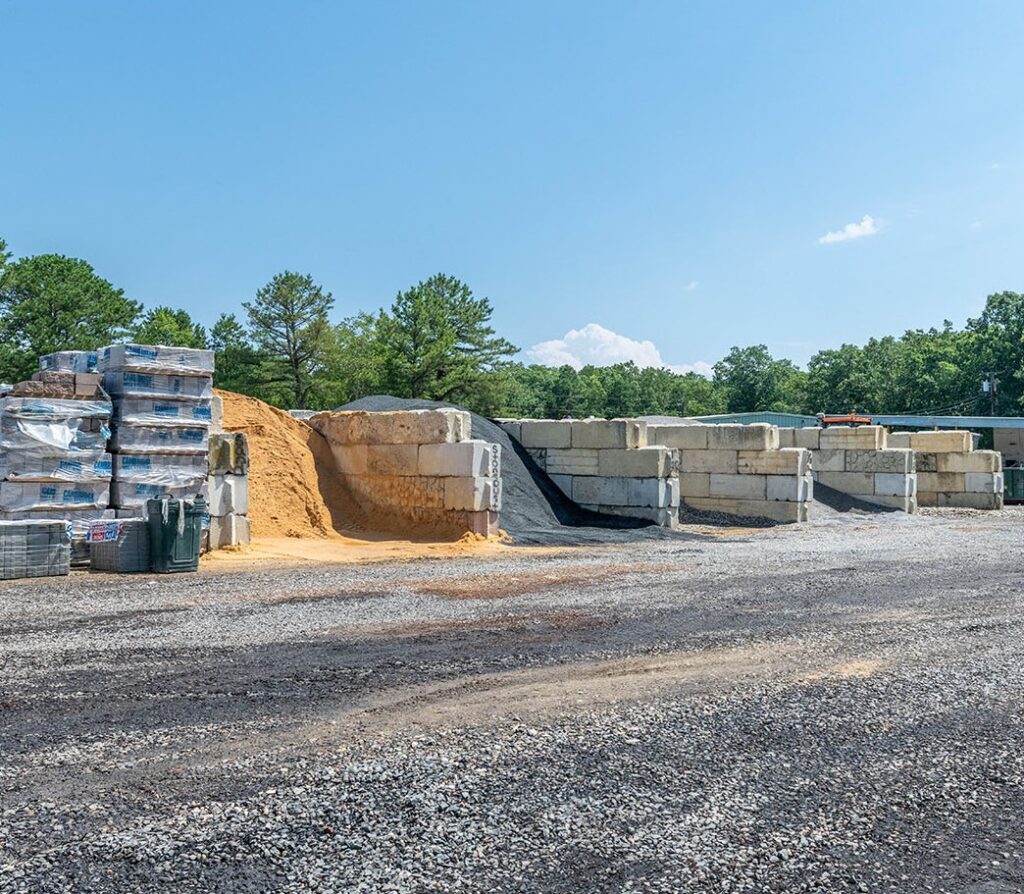
Bulk Material Delivery in Coastal NJ: What to Expect
If you’re planning a landscaping project, bulk delivery should make the job easier, not more complicated. But if you’ve never ordered bulk mulch, stone, topsoil, or sand before, it’s normal to have a few questions before the truck arrives.
How much space does the truck need? Where should the material go? Do you need to be home? And how do you know if you ordered the right amount?
At Cedar Bridge Landscape Supply, we help homeowners, contractors, and DIYers throughout Ocean County prepare for bulk material delivery every day. With the right prep, the process is straightforward and far less stressful.
How Bulk Material Delivery Works
Most landscape materials are sold by the cubic yard, including mulch, topsoil, stone, and sand. If you’ve never ordered by the yard before, it can be hard to picture how much material that actually is.
A useful rule of thumb is that one cubic yard covers roughly a 10-by-10-foot area at about 3 inches deep. That gives you a starting point, but the right amount still depends on the material and the type of project.
If you are comparing stone options before ordering, it may also help to review where to buy bulk stone in Barnegat.
How to Estimate the Right Amount
Getting the quantity right is one of the most important parts of the order.
Measure the area first
Start with the length and width of the space in feet, then determine how deep the material needs to be. Mulch, topsoil, and base stone all have different depth requirements.
Convert the measurement into cubic yards
To estimate cubic yards, multiply:
Length × Width × Depth (in feet) ÷ 27
If you want a neutral reference for calculating coverage, this guide to how much compost, soil, or mulch you need is a helpful starting point.
If you’re ordering stone specifically, our guide on how much stone you need for your project can help you estimate more accurately before delivery.
Match the delivery to the project
A small refresh around the yard may need only a modest delivery. Larger projects often require more material and better scheduling. If the order includes mulch, it can also help to review how much mulch you need before you schedule the drop.
How to Prepare Your Property Before Delivery
A smooth delivery starts with a clear, accessible drop area.
Check access before the truck arrives
Bulk delivery trucks need more room than most homeowners expect. Before delivery, look closely at:
- narrow driveways
- parked vehicles
- low tree branches
- power lines
- tight turns near the house
If access is limited, say so when you place the order. That makes it easier to plan the safest and most practical approach.
Identify no-go areas
If your property has a septic system, irrigation lines, soft ground, or other vulnerable spots, those should be pointed out in advance. Loaded trucks are heavy, and knowing where not to drive helps avoid damage.
Clear the drop zone
Before the truck arrives, move vehicles, trailers, tools, portable hoops, or anything else that could block access or interfere with unloading.
Where Bulk Materials Should Be Dropped
Placement matters more than many people expect.
Hard surfaces are usually the best option
In most cases, a driveway or another stable surface is the best place for the material. It helps keep mulch, topsoil, and stone cleaner and makes cleanup easier once the pile has been moved.
Dropping material directly on grass may seem convenient, but if the ground is soft, it can leave ruts and create more repair work afterward.
Use a tarp or marker for more precise placement
If you want the material in a specific spot, a tarp, cone, or chalk mark can make the drop much easier to manage. This is especially helpful if you won’t be home when the truck arrives.
Do You Need to Be Home for Delivery?
Not always.
If the drop area is easy to identify and the instructions are clear, delivery can often be completed without anyone home. What matters most is making sure the team knows:
- where the material should go
- which areas to avoid
- whether access is tight
- how to reach you if a question comes up
If the property layout is more complicated or the placement needs to be exact, it’s better to be available.
Timing the Delivery the Right Way
Good timing can save a lot of frustration, especially during peak landscaping season.
Schedule early in spring and fall
These are some of the busiest times for outdoor projects in Ocean County. If you want a specific delivery day or window, plan ahead.
Coordinate with your project timeline
If you’re working with a contractor or crew, make sure the delivery lines up with the work schedule. Material that arrives too early can get in the way. Material that arrives too late can slow the project down.
Watch the weather
Rain, soft ground, and changing site conditions can affect delivery safety and access. That matters even more in parts of Coastal NJ, where sandy or moisture-sensitive ground conditions are common.
Common Mistakes to Avoid
A few missed details can make delivery harder than it needs to be.
Ordering the wrong amount
Too little material can delay the job. Too much can leave you with waste and unnecessary cost.
Choosing a poor drop location
A pile that lands too far from the work area creates more labor. A pile in the wrong place can block access or complicate cleanup.
Forgetting about truck access
Driveway width, low branches, and soft ground should all be considered before the order is loaded.
Waiting too long to schedule
During busy times of year, the best delivery slots go quickly.
Questions Homeowners Ask About Bulk Material Delivery
How much space does a bulk delivery truck need?
It depends on the truck and the material, but in general, delivery trucks need more room than a standard vehicle. Driveway width, turning space, and overhead clearance all matter.
Can bulk materials be dumped on my driveway?
Yes, and in many cases that is the best option. A driveway helps keep the material clean and protects the lawn from damage.
Do I need to be home for delivery?
Not always. If the drop area is clearly marked and the instructions are simple, delivery can often be completed without anyone home.
How do I know how much mulch, stone, or soil to order?
Start by measuring the space and estimating the depth you need. If you want help double-checking the amount, Cedar Bridge Landscape Supply can help you plan the order before delivery.
What should I do before delivery day?
Clear the drop zone, move vehicles, check for low branches or wires, and make note of any septic systems, irrigation lines, or soft ground that should be avoided.
Can you deliver to homes with tight access in Ocean County?
Often, yes. It depends on the property, but the more details you share ahead of time, the easier it is to plan a safe and efficient delivery.
Start Your Project With Confidence
Bulk delivery should make your project easier, not create more guesswork. When you know how much to order, where the material should go, and how to prepare the property, the whole process runs more smoothly.
At Cedar Bridge Landscape Supply, we’re proud to help homeowners, contractors, and DIYers throughout Ocean County, Barnegat, and the Jersey Shore get the materials they need with straightforward guidance and dependable local service.
Start here
- Browse our Bulk Materials
- Compare bulk stone options in Barnegat
- Estimate your order with How Much Mulch Do I Need?
- Request a Quote for your delivery
Whether you need help choosing materials, estimating quantities, or planning the best delivery setup for your property, Cedar Bridge Landscape Supply can help.
